%2Ffit-in%2F250x250%2Fusers%2Fcc958416-9071-4f58-9676-10ee785ecf23%2Fimages%2Fc9a71fba-f122-487a-80d0-55378d92f5fd.jpg&w=1920&q=100)
/users/cc958416-9071-4f58-9676-10ee785ecf23/ratecard/3-mn5bz8q4.jpg)
%2F300x300%2Fusers%2Fcc958416-9071-4f58-9676-10ee785ecf23%2Fratecard%2F3-mn5bz8q4.jpg&w=256&q=75)
%2F300x300%2Fusers%2Fcc958416-9071-4f58-9676-10ee785ecf23%2Fimages%2Fcolonial-beach-striped-bass-catch-2536.jpg&w=256&q=75)
%2F300x300%2Fusers%2Fcc958416-9071-4f58-9676-10ee785ecf23%2Fimages%2Fcolonial-beach-striped-bass-catch-2687.jpg&w=256&q=75)
%2F300x300%2Fusers%2Fcc958416-9071-4f58-9676-10ee785ecf23%2Fimages%2Fcolonial-beach-fishing-charter-catch-2646.jpg&w=256&q=75)
%2F300x300%2Fusers%2Fcc958416-9071-4f58-9676-10ee785ecf23%2Fimages%2Fcolonial-beach-striped-bass-charter-2427.jpg&w=256&q=75)
%2F300x300%2Fusers%2Fcc958416-9071-4f58-9676-10ee785ecf23%2Fimages%2Fcolonial-beach-striped-bass-charter-2436.jpg&w=256&q=75)
%2F300x300%2Fusers%2Fcc958416-9071-4f58-9676-10ee785ecf23%2Fimages%2Fcolonial-beach-striped-bass-catch-2659.jpg&w=256&q=75)
%2F300x300%2Fusers%2Fcc958416-9071-4f58-9676-10ee785ecf23%2Fimages%2Fcolonial-beach-striped-bass-catch-2527.jpg&w=256&q=75)
%2F300x300%2Fusers%2Fcc958416-9071-4f58-9676-10ee785ecf23%2Fimages%2Fcolonial-beach-striped-bass-catch-2669.jpg&w=256&q=75)
%2F300x300%2Fusers%2Fcc958416-9071-4f58-9676-10ee785ecf23%2Fimages%2Fcolonial-beach-va-fishing-charter-2645.jpg&w=256&q=75)
%2F300x300%2Fusers%2Fcc958416-9071-4f58-9676-10ee785ecf23%2Fimages%2Fstriped-bass-colonial-beach-catch-2588.jpg&w=256&q=75)
Extended Half Day Chesapeake Bay Reel M N
 Chesapeake Bay
What you will be catching:
 Blue Catfish
 Bluefish
 Cobia
Cobia Redfish
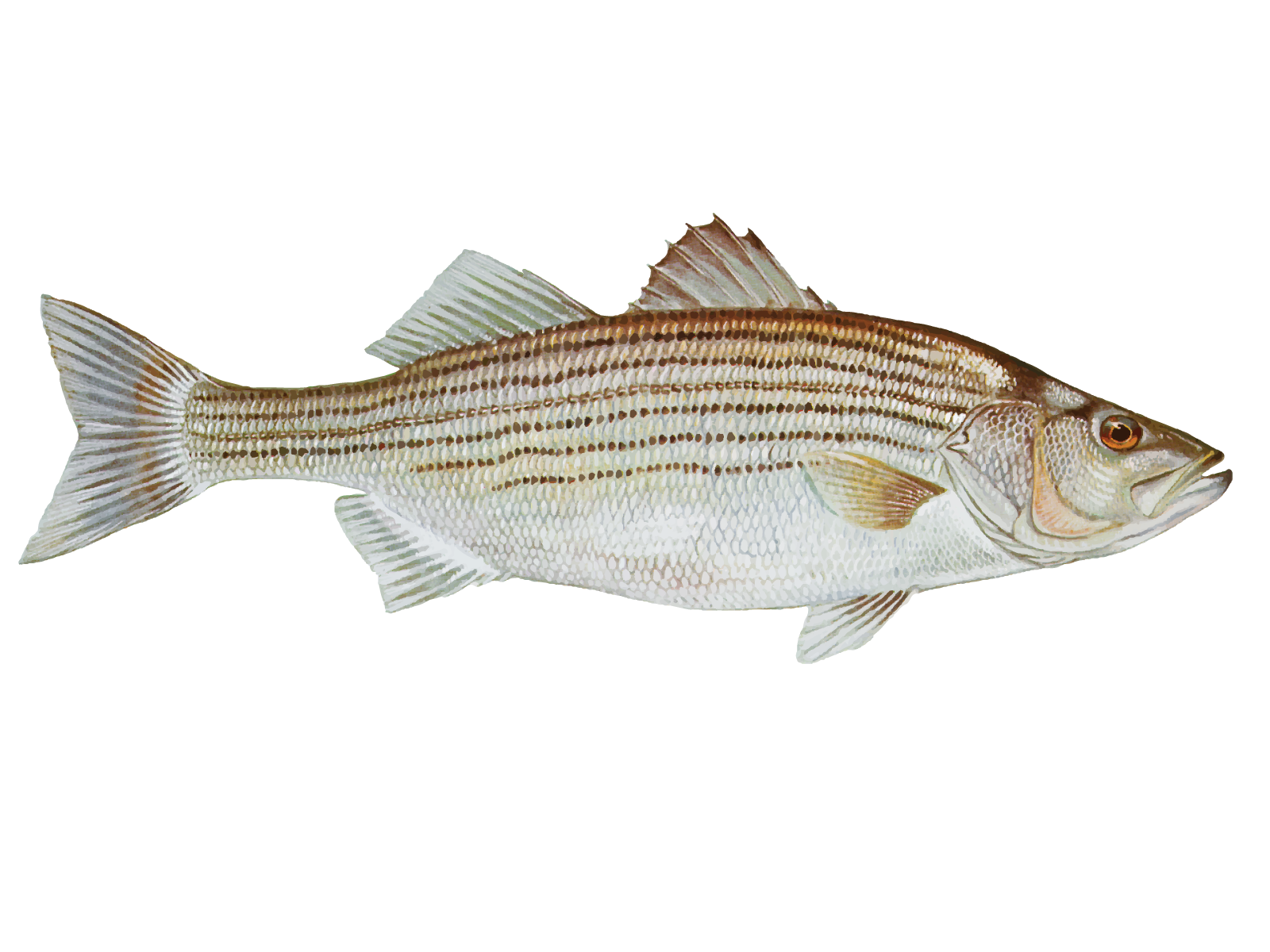 Striped Bass
- This 6-hour private fishing trip with Captain Frog gives you plenty of time to really get into the fishing on Chesapeake Bay. You'll work the Potomac River and nearby inshore waters, covering more spots than shorter trips allow. Captain Frog takes a hands-on approach whether you're new to fishing or have been at it for years
- he keeps things relaxed but productive. Perfect for families or small groups who want a full day experience without feeling rushed. All your gear, rods, and bait are provided, so you just show up ready to fish. The extended time means better chances at different species and learning proper techniques as you move between fishing spots along the bay.
Trip Pricing and Availabilities:
Extended Half Day Fishing Trip in Chesapeake Bay
When you want more than just a quick taste of what Chesapeake Bay has to offer, Captain Frog's 6-hour extended half day trip is exactly what you're looking for. This isn't your typical rush-in, rush-out fishing charter – it's a proper day on the water that gives you time to really get into the rhythm of the Bay. Whether you're bringing the family for their first real fishing adventure or you're a seasoned angler wanting to cover serious ground, this trip strikes the perfect balance between relaxed and productive. Captain Frog knows these waters like the back of his hand, and his patient teaching style means everyone on board – from complete beginners to weekend warriors – walks away feeling like they've learned something new about fishing the Chesapeake.
What to Expect on the Water
Six hours gives you the luxury of time that shorter trips just can't match. You'll start your day exploring the productive waters around the Potomac River, where Captain Frog has been putting clients on fish for years. The beauty of this extended format is that you're not constantly watching the clock – there's time to move spots if the fish aren't cooperating, time to really dial in your technique, and time for those spontaneous teaching moments that make the difference between a good trip and a great one. The boat comfortably handles up to four anglers, so you'll have plenty of elbow room whether you're casting or just enjoying the ride. Captain Frog provides all the tackle, bait, and gear you'll need, plus he's got backup options if conditions call for switching things up mid-trip. The relaxed pace means this is perfect for families with kids who are still learning the ropes, but don't worry – there's plenty of action to keep experienced anglers engaged too.
Techniques & Territory
The extended timeframe opens up a whole toolkit of fishing approaches that shorter trips can't accommodate. You might start the morning working structure with bottom rigs for stripers and blues, then shift to drift fishing for cobia as the day warms up, and finish with some targeted catfish action in the deeper holes. Captain Frog reads the conditions and adjusts accordingly – if the tide's running strong, you might focus on current breaks where predators ambush baitfish. When it's calm, that's prime time for sight fishing and working the shallower flats. The Potomac River system and surrounding Chesapeake Bay waters offer incredible variety within a relatively small area. You'll fish everything from rocky points and submerged structure to grass beds and channel edges. The captain's got light tackle for finesse fishing when the bite gets tough, plus heavier gear ready to go when the big fish show up. Live bait, cut bait, and artificials all have their place in the game plan, and part of the fun is learning when and why to use each approach.
Species You'll Want to Hook
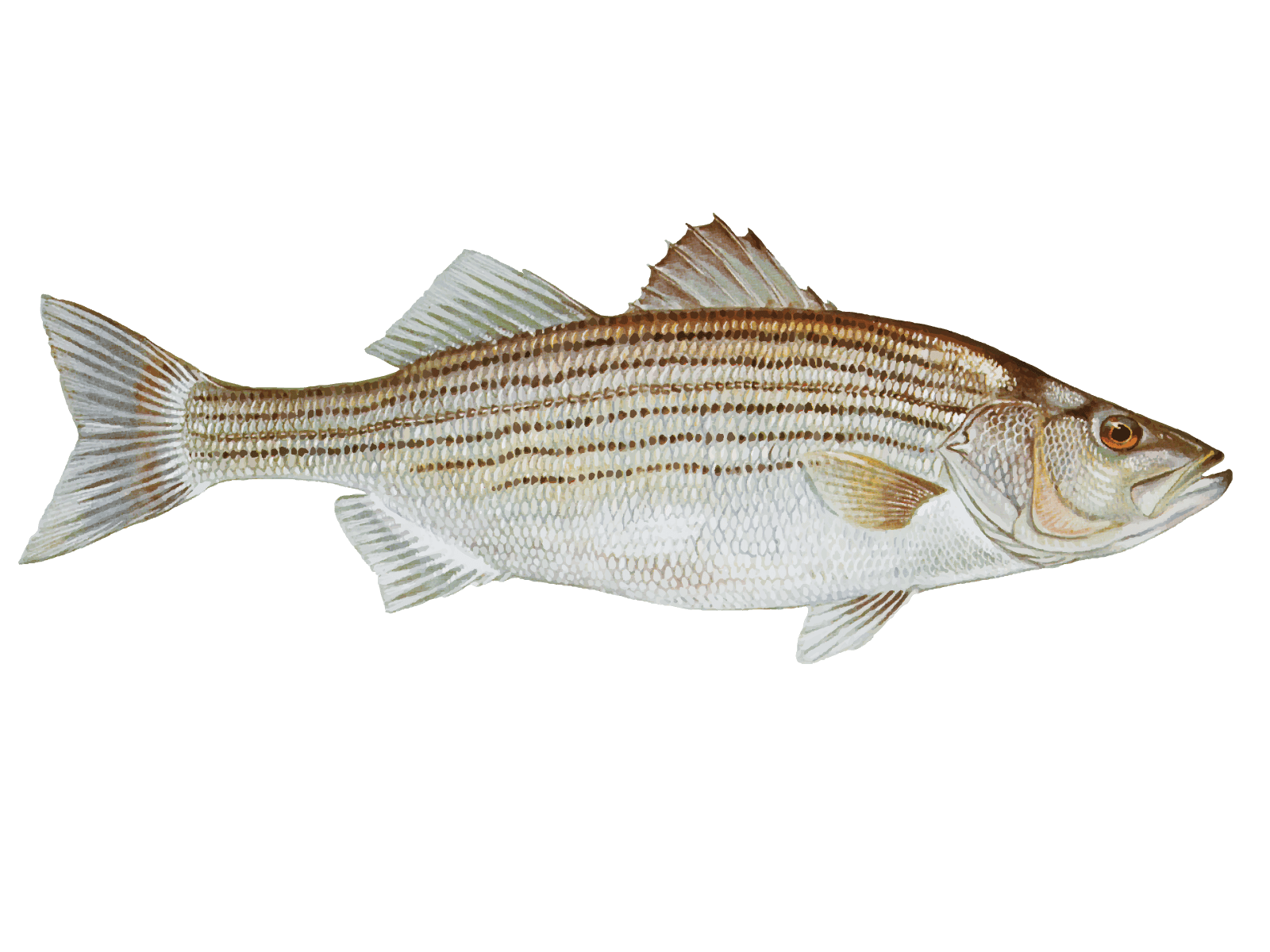
Striped Bass are the crown jewel of Chesapeake Bay fishing, and for good reason. These silver-sided fighters can range from schoolie-size fish perfect for beginners to learn on, all the way up to trophy-class cows that'll test your drag and your patience. Spring and fall see the best action as these fish migrate through the Bay, but summer holds plenty of resident fish around structure and current. When a nice striper hits, you'll know it – they make strong initial runs and have a habit of jumping that keeps things exciting right to the net. The satisfaction of landing your first keeper rockfish in these historic waters is something that sticks with you.
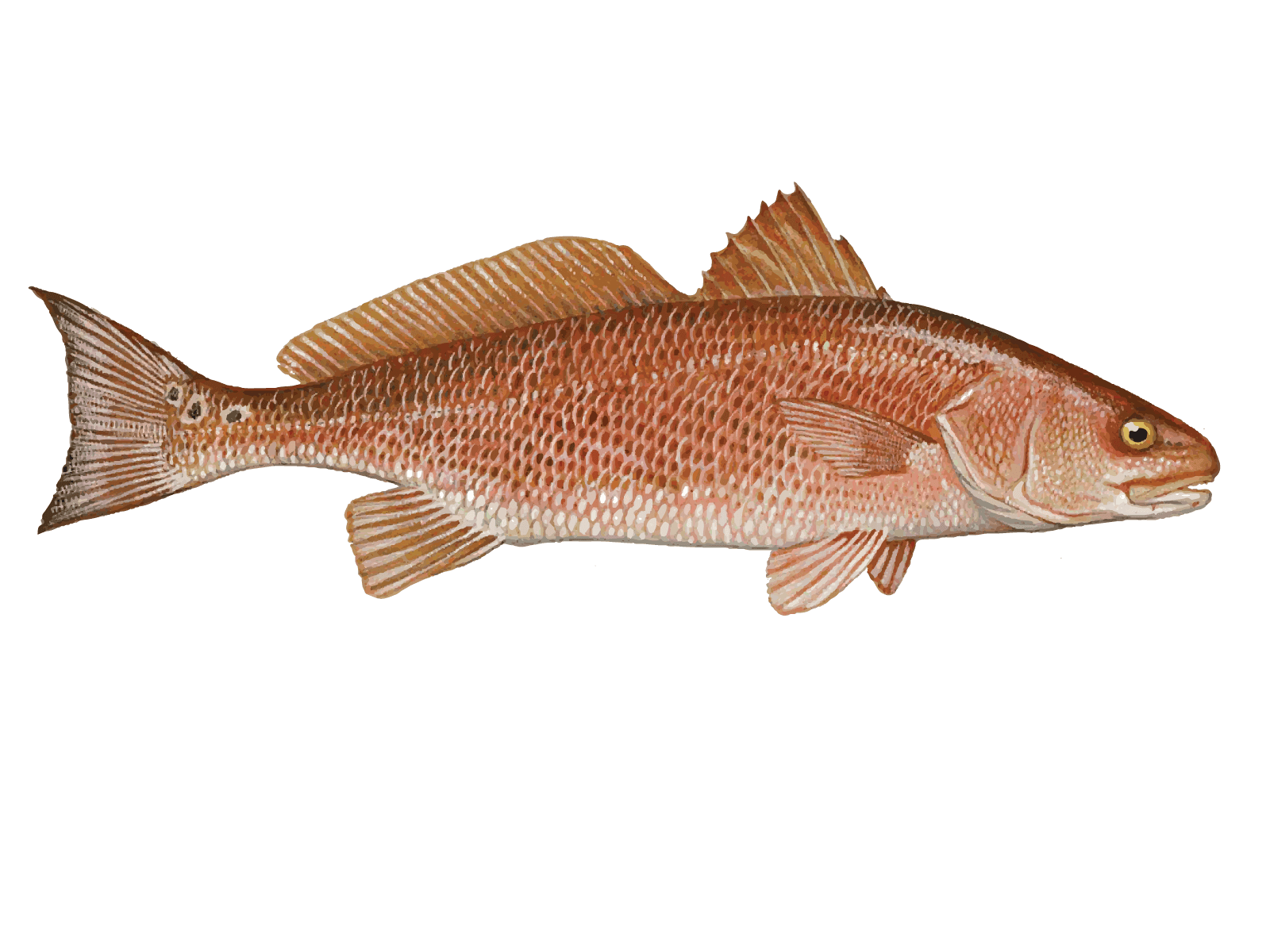
Redfish might not be as common as they are further south, but when the Chesapeake Bay reds show up, they're absolute bulldogs. These copper-colored fighters prefer shallow water and structure, and they're notorious for making powerful runs toward whatever cover they can find. Late summer into fall tends to be prime time, and there's nothing quite like watching a big red explode on a topwater lure in three feet of water. They're also excellent table fare, which makes them a customer favorite for good reason.
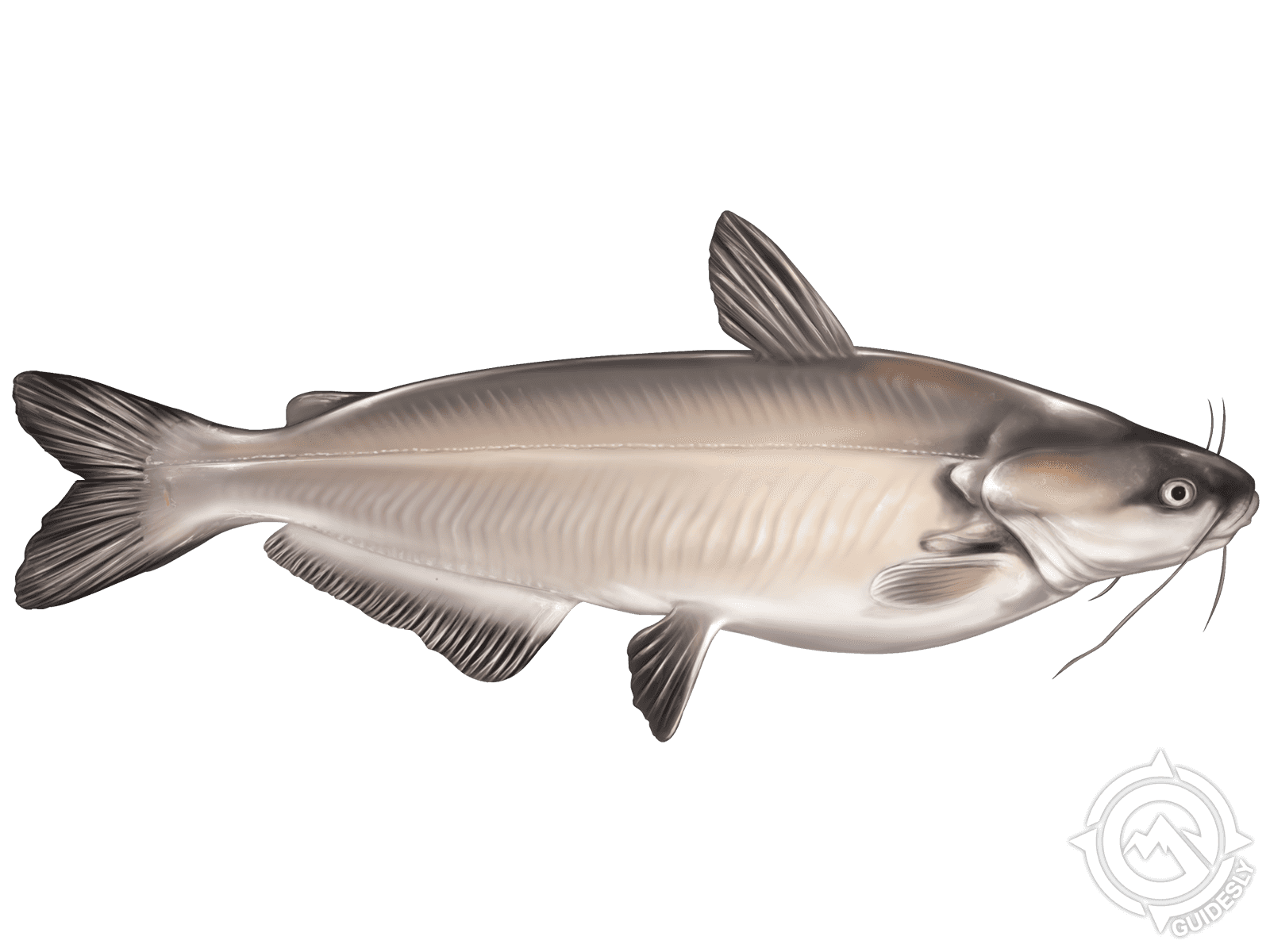
Blue Catfish represent one of the Bay's most underrated fisheries. These freshwater invaders have adapted beautifully to the brackish conditions and grown to impressive sizes. They're year-round targets, but summer heat drives them to deeper, cooler water where they school up in impressive numbers. Kids especially love catfish because they bite consistently and fight hard for their size. Plus, Captain Frog knows exactly which holes hold the biggest blues – some of these fish push 20-30 pounds and provide arm-burning fights on appropriate tackle.
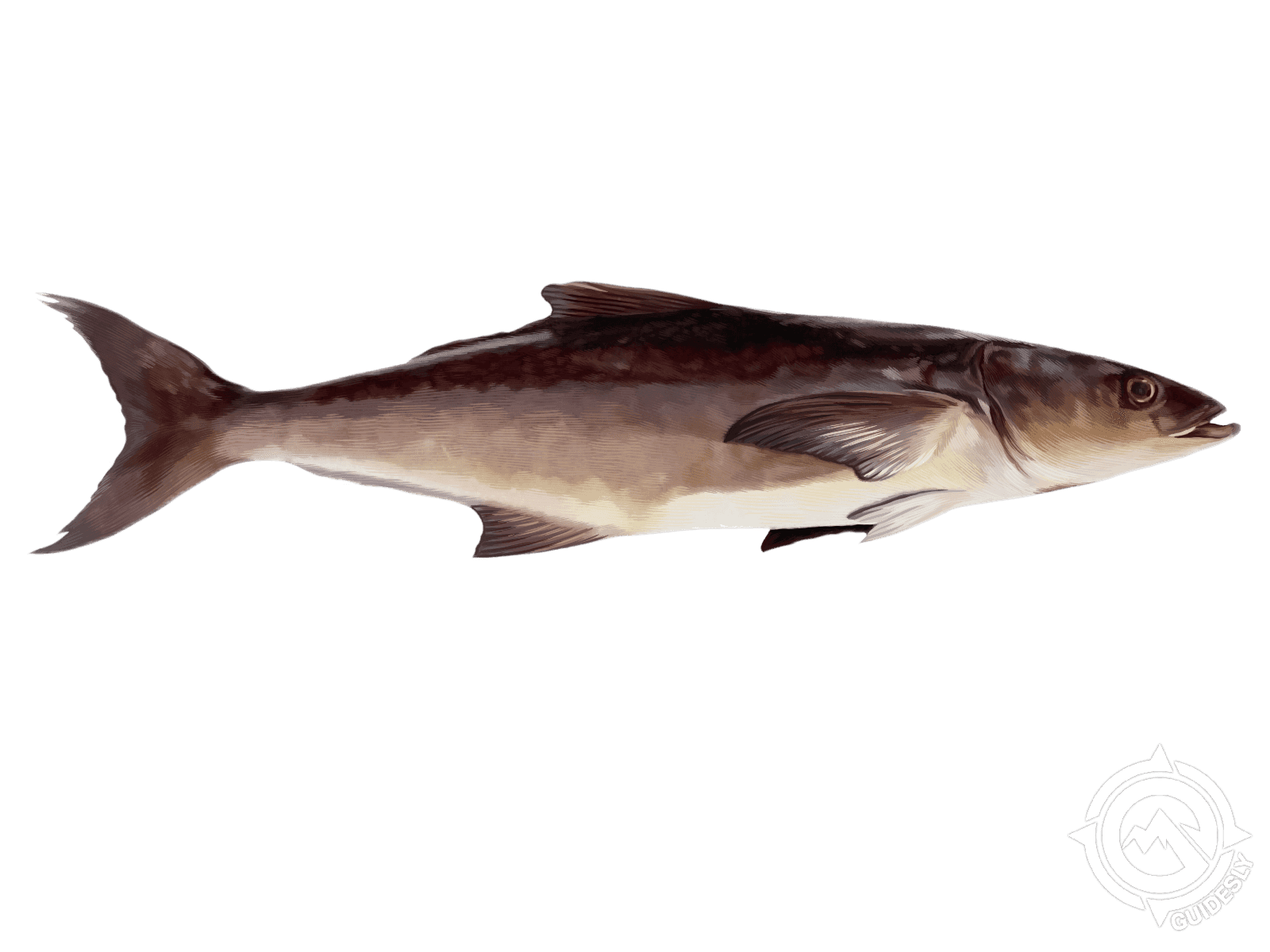
Cobia are the wildcards of Chesapeake Bay fishing. These brown sharks (as some folks call them) show up in late spring through early fall, cruising the shallows and structure in small groups. They're curious fish that will often approach the boat for a look, giving you shot at sight fishing that's more common in tropical waters. When hooked, cobia make blistering runs and have a habit of diving for structure, making every hookup a real battle. Landing a 30-40 pound cobia is a memory that'll last a lifetime.
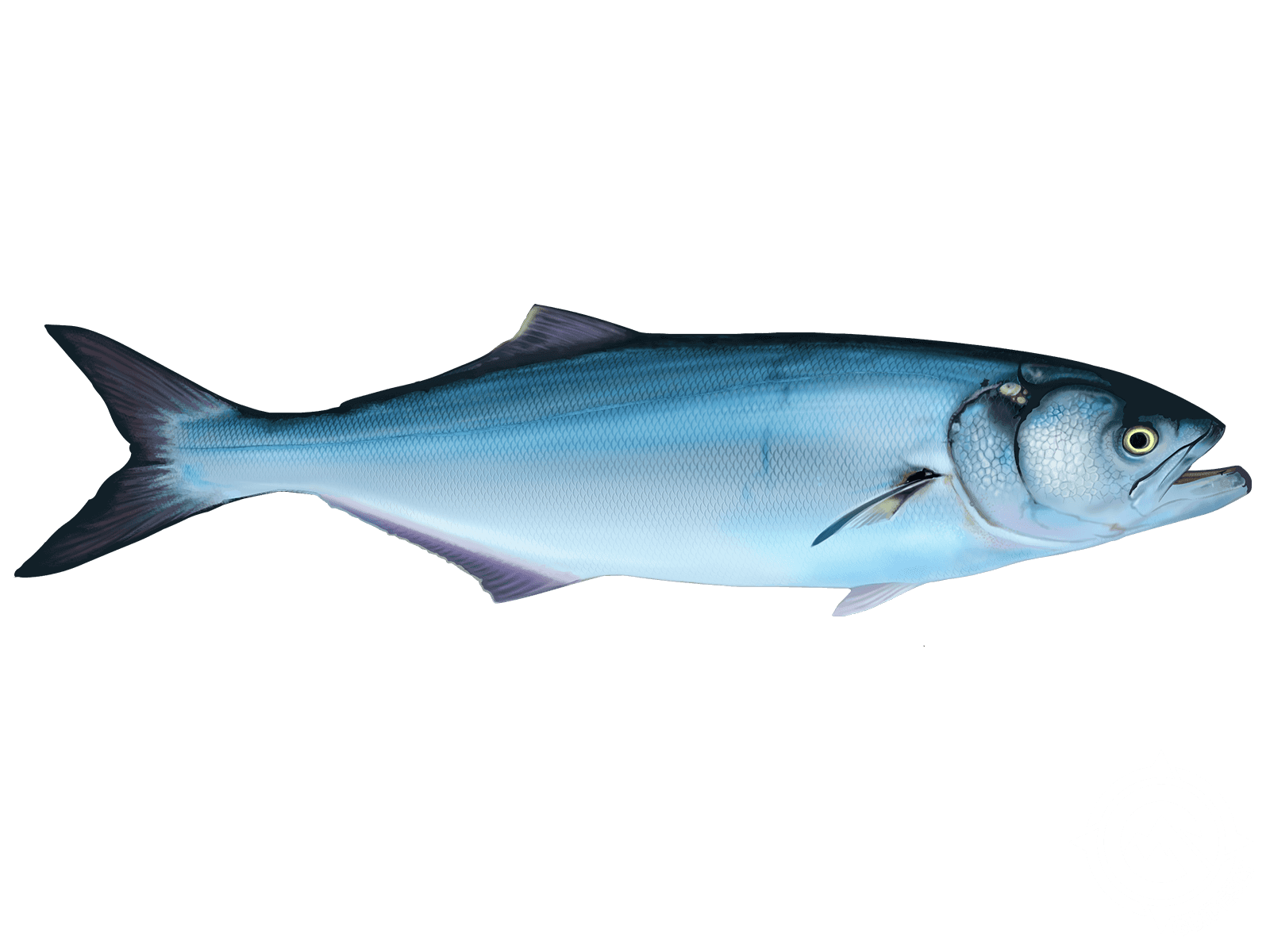
Bluefish round out the target species list with their aggressive nature and willingness to hit just about anything you throw at them. These toothy predators travel in schools and can provide non-stop action when you find them. They're perfect for keeping kids engaged since they bite readily and fight hard, plus they make excellent bait for bigger fish when the situation calls for it. Summer through fall sees the best bluefish action, and when they're feeding, you can literally catch one on every cast.
Time to Book Your Spot
This extended half day format really is the sweet spot for most anglers visiting Chesapeake Bay. You get enough time on the water to feel like you've had a complete fishing experience without committing to a full day that might be too much for some crew members. Captain Frog's patient teaching approach and deep knowledge of these waters make this trip work for everyone from first
Learn more about the species
Blue Catfish
Blue cats are the giants of our freshwater sections, especially up the Potomac tributaries. These slate-blue bruisers can easily hit 20-50 pounds, with some real monsters pushing 80+. They love deep holes with muddy bottoms near tidal creeks where fresh and brackish water mix. Year-round action, but summer nights are prime time. What makes them popular is the steady, powerful fight - no flashy jumps, just pure bulldogging strength that'll wear you out. The meat is firm and tasty, perfect for the dinner table. They'll eat just about anything, but here's my go-to trick: fresh-cut herring or shad works best. Let it sit on bottom near structure and be patient. When they pick it up, give them a few seconds before setting the hook - they like to mouth the bait first.
Bluefish
Blues are the aggressive biters that keep things exciting, especially during summer runs. These blue-green speedsters typically run 2-10 pounds with razor-sharp teeth and bad attitudes. They hunt in schools around baitfish, often creating feeding frenzies near the surface. You'll find them chasing menhaden, anchovies, and silversides around channel edges and structure. Summer through early fall brings the best action when bait is thick. What guests love is the non-stop action - when you find a school, everyone gets bent. They're decent eating if bled and iced quickly, but it's really about the excitement. Pro tip: when you see birds diving and water churning white, get there fast. Use small spoons or metal jigs and work them through the frenzy. Watch your fingers - those teeth are serious business.
Cobia
Cobia are the mystery fish of the bay - you never know when one will show up. These dark brown, shark-looking fish average 30-50 pounds and are loners, not schooling fish. They cruise around buoys, channel markers, and bridge structures, often in 15-40 feet of water. Late spring through summer is your best bet when they move into the bay to spawn. What gets people excited is the visual aspect - you'll often see them just under the surface, looking like a small shark. They fight hard with long runs and taste amazing, firm white meat that's restaurant quality. My trick: when you spot one, don't get too excited and spook it. Cast a bucktail jig or crab well ahead of where it's swimming and work it slowly. They're curious but easily spooked by boat noise or quick movements.
Redfish
Redfish are becoming more common in our lower bay waters, especially around grass beds and shallow flats. These bronze-colored fighters with the telltale black spot near their tail typically run 20-30 inches and put up one heck of a scrap. They love cruising 2-4 feet of water around oyster bars, creek mouths, and anywhere there's good structure. Summer through early fall gives you the best shot at them when water temps are right. What guests love is how they fight - long, strong runs that'll test your drag system. Plus they're fantastic table fare with that mild, sweet flavor. Here's what I've learned: look for tailing fish in skinny water during moving tides. When you spot those copper backs, cast ahead of them and let your bait settle. They're curious but spooky.
Striped Bass
Stripers are the crown jewel of Chesapeake Bay fishing. These silver-sided beauties with their distinctive black stripes typically run 20-40 pounds here, though we've landed some real monsters pushing 50+. They love structure - bridge pilings, channel edges, and oyster bars are prime spots. Spring and fall migrations bring the best action when they're feeding heavily on menhaden and anchovies. What makes them special is that powerful run when they first feel the hook - they'll peel line like crazy. The meat is excellent eating too, firm and sweet. My local tip: watch for diving birds working baitfish. When you see that commotion, get your lines in the water fast. The stripers are usually right underneath, feeding on whatever the birds are pushing around.
About the 30' 1986 remodeled Sea Ray
%2F%2Fusers%2Fcc958416-9071-4f58-9676-10ee785ecf23%2Fvehicle_picture%2F475422372_1123779769441806_5974765398950198030_n1-mn5bli8h.jpg&w=1920&q=75)
Vehicle Guest Capacity: 8
Manufacturer Name: Cummins
Maximum Cruising Speed: 18
Number of Engines: 1
Horsepower per Engine: 420